Octopus Energy Pays UK Households Nearly £100m for Spare Solar Power
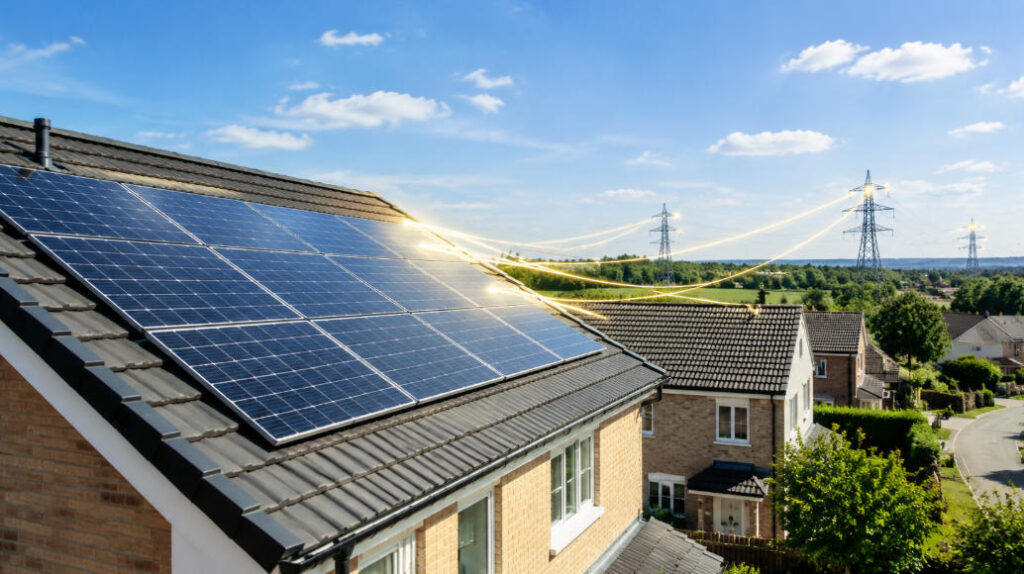
UK homeowners with solar panels have turned their rooftops into a genuine second income this year. New figures from Octopus Energy show that households on its solar export tariffs collectively earned close to £100 million over the past 12 months simply by selling the electricity they didn’t use back to the National Grid.
It’s one of the clearest signs yet that domestic solar isn’t just cutting bills anymore — for hundreds of thousands of UK homes, it’s actively paying them.
The Numbers Behind the Payout
According to Octopus Energy’s official announcement, more than 400,000 UK households are now signed up to its export tariffs, which pay customers for any surplus solar (or battery) power they feed back into the grid rather than use themselves.
Over the last year, those homes exported a combined 825 GWh of electricity — roughly equivalent to the annual output of a full-sized gas power station. In total, that surplus power generated £99.2 million in payments, working out to an average of £244 per household over the 12-month period.
Octopus’s Chief Product and Marketing Officer, Rebecca Dibb-Simkin, said the growth reflects a rapid shift in how ordinary households are engaging with the energy system, noting that the number of homes generating their own clean power keeps climbing and that reducing reliance on fossil fuels also strengthens the resilience of the wider grid.
Why This Summer Was Different
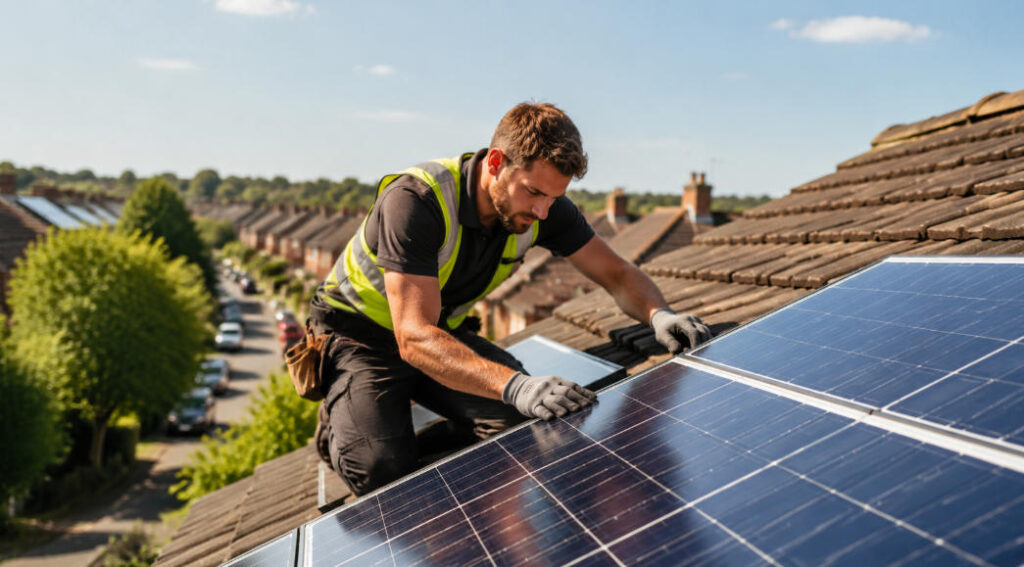
A run of heatwaves across the UK supercharged both solar generation and consumer interest in going solar. Octopus reported around 73,000 enquiries about home solar installations across May, June and July alone — a jump of more than a third compared with the same period last year.
Interest peaked on the UK’s hottest day of the year so far, when demand for solar quotes ran roughly 50% above the monthly average. It isn’t hard to see why: long sunny days mean panels generate more power than a typical household can use during daylight hours, leaving more spare electricity to export and get paid for.
Battery storage systems are following the same trajectory. Standalone battery installations — which store cheap electricity and sell it back to the grid when demand and prices rise — saw installation demand jump by 630% year-on-year, as more households look to squeeze extra value out of the power they generate or buy off-peak.
Solar’s role in the broader energy mix is growing too. Rooftop and ground-mounted solar combined supplied around 14.4% of the UK’s electricity in July, per UK solar generation data, underlining how quickly distributed generation is becoming part of the national supply, not just a niche add-on for individual homes.
How Solar Export Payments Actually Work
If you’re new to the idea, export payments are made possible by the Smart Export Guarantee scheme — the government-backed scheme introduced after the old Feed-in Tariff closed to new applicants in 2019. Under SEG, any licensed energy supplier of a certain size must offer a tariff to pay households for electricity they export to the grid.
Octopus Energy was the first UK supplier to launch a SEG export tariff back in 2019, and it has since expanded its range of export products, including:
- Fixed Outgoing – a flat rate per kWh exported, offering predictable payments.
- Agile Outgoing – a dynamic rate that tracks wholesale electricity prices, occasionally paying well above the flat rate during periods of high demand.
In practice, a typical household with solar cell technology on its roof generates more electricity than it needs around midday, when the sun is strongest but occupants are often out or using less power. Rather than that surplus going to waste, smart meters track what’s exported, and suppliers like Octopus pay for it monthly, on top of whatever the household is already saving by using its own free power instead of buying it from the grid.
What It Means for Homeowners Considering Solar
For anyone weighing up the cost of a home solar installation, export payments are an increasingly important part of the payback calculation — alongside reduced electricity bills and rising interest in pairing solar with home battery storage or EV charging.
An average payment of £244 a year won’t singlehandedly cover a solar installation, but combined with lower day-to-day electricity costs, it materially shortens the time it takes for a system to pay for itself. As more households add batteries to store surplus generation instead of exporting it immediately, that calculation is likely to keep shifting — potentially toward using more self-generated power at home and exporting less, or timing exports for when rates are highest.
The Bigger Picture
The scale of these payments highlights a broader trend in the UK’s energy transition: households are no longer just consumers of electricity — they’re becoming active generators and, in aggregate, a meaningful part of the national supply, supported by a growing solar panel material supply chain. With energy suppliers competing on export rates and battery adoption accelerating, the economics of home solar continue to improve for UK homeowners.
Whether that £100 million figure keeps climbing will likely depend on two things: how many more households install solar in the coming year, and how much of the summer’s heatwave-driven surge in demand carries through into decisions made over the rest of 2026.
Sources: Octopus Energy; BusinessGreen; GB News; Econostrum
Source Links:
Octopus Energy official announcement
Ofgem – Smart Export Guarantee
Gov.uk – Renewable electricity by technology type